
Home / News / Tagged: clean advertising
Filter by tag:

Posts tagged "clean advertising"

Everything you need to know about Reverse Graffiti in 2026

Everything you need to know about Reverse Graffiti in 2026


Have you heard of Reverse Graffiti? Do you know what it is and how you can include it in your marketing mix? Our guide to Reverse Graffiti tells you everything you need to know.


Everything you need to know about Reverse Graffiti or Clean Advertising

The Step by Step guide to creating a reverse graffiti advertising campaign


  1. What is Reverse Graffiti
  2. The History of Reverse Graffiti
  3. How to use Reverse Graffiti
  4. Which brands have worked with reverse graffiti
  5. Reverse Graffiti Legality
  6. The reverse graffiti process
  7. How to maximize the return on investment of a reverse graffiti advertising campaign
  8. How to measure a reverse graffiti campaign
  9. Reverse Graffiti- the artwork
  10. The best locations for Reverse Graffiti
  11. Reverse Graffiti examples
  12. Reverse Graffiti Campaign case studies
  13. How much does a reverse graffiti campaign cost?
  14. How to start your reverse graffiti campaign


1. What is Reverse Graffiti?


Reverse Graffiti is the process of cleaning specific areas of dirty pavements or walls which creates art or advertising through the contrast of clean and dirty sections. A simple example of Reverse Graffiti is using a wet finger to write “Clean Me” on the back of a dirty van. For repeatable and commercial reverse graffiti, typically, a stencil is produced in metal or plastic to create the design. The stencil is then placed onto the dirty surface and then either a power washer or clean cloth is then used to clean through the cut-out areas of the stencil. When the stencil is lifted the stencil design is replicated on the dirty pavement or wall with clean areas.
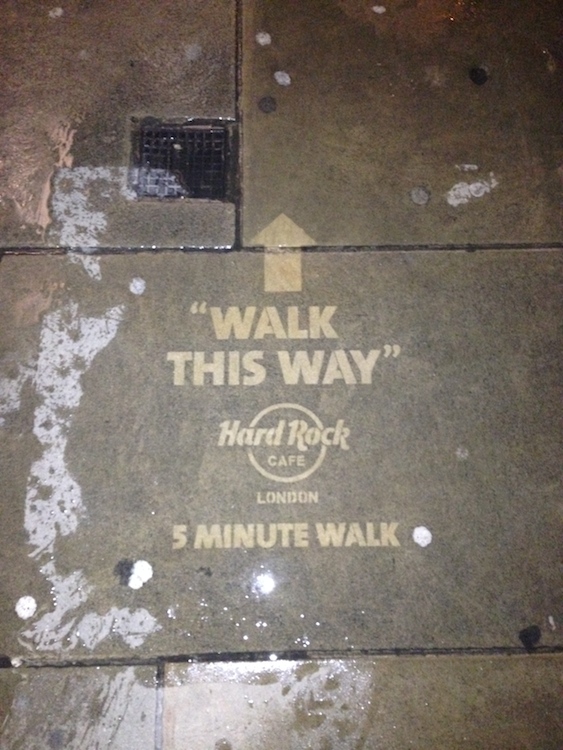
 

Here is an example of reverse graffiti by Hard Rock Cafe

Reverse graffiti is also known by other names such as Clean Advertising, Street Advertising, Dirty Street Advertising, Clean Graffiti, and Clean Tagging.


2. The History of Reverse Graffiti


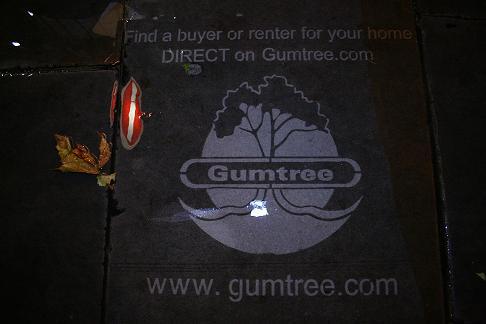
Although the origin of Reverse Graffiti is not known, The first recorded large-scale reverse graffiti art piece was made by Alexandre Orion in 2006. The intervention was called Ossario (ossuary) and was over 1000 feet long. The municipality of São Paulo washed it away shortly after. English Reverse Graffiti Artist Moose was one of the first artists to use the technique in the UK and Street Advertising Services was the first company offering commercial Reverse Graffiti for branding and advertising with a nationwide campaign for Gumtree Classified Ads in November of 2006.
3. How to use Reverse Graffiti


Reverse graffiti is now predominantly used by brands and businesses to bring attention to their products and services as a viable alternative to traditional outdoor advertising such as billboards and poster sites. Two of the strongest benefits of Reverse Graffiti are: Highly targeted geographical placement and lack of competing media in the same space thus creating more impressions. Reverse Graffiti Adverts can be placed almost anywhere with dirty pavement to deliver a branded message or call to action. Brands that use Reverse Graffiti in their marketing mix, usually have one of the following objectives for their campaigns:


Launch of a new Product or service
Increase Brand Awareness
Increase or Initiate Sales
Highlight a future event
Signpost to a retail location or event
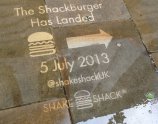
 

4. Which brands have worked with Reverse Graffiti?

Hundreds of brands have used Reverse Graffiti in their brand campaigns. Here is a list of brands who worked with Street Advertising Services to create their campaigns:


Nike, Puma, JD Sports, Saffron Building Society, ING Bank, Barclays, The Oracle Shopping Mall, British Gas, Carphone Warehouse, Sports Park Norwich, Budweiser, CragRats, Jim Beam, Bolton shopping Mall, Pow Wow, Yahoo, Kia Cars, The Times, Miroma, Team 24 Recruitment, Pod Food, Zavvi, Birmingham Rep Theatre, Wired Magazine, 20th Century Fox, Jobserve, Make your Mark, Kinnarps, Nicorette, Penguin Publishing, Absolut Vodka, Puma, Northumberland Police, Tax Payers Alliance, SSP, Regent Theatre Stoke, Etnies, The Sun Newspaper, Leeds City College, Kathmandu, STA Travel, Opal Telecom, St Davids Mall Cardiff, Brunswick Mall, Kanaloa, Tower Hamlets Council, Jorvik Viking Centre, Sol Beer, Cheshire Police, Kent Highway Authority, Village hotels, .eu, Dominos Pizza, Gieves and Hawkes, Promeathan, Randstad Recruitment, BMW, Unilever, BIBA, Future Lawyers, Virgin Media, Crucible Theatre Sheffield, Mossbros, NHS, Neath College, Meadway, Mall, Specsavers, Spar, Mint Hotels, Bongo, Smoke Free Northwest, Wolverhampton council, Royal Opera House, Sony, Wolverhampton University, Altrincham Council, Centrl Beds College, Springerlink, Salford Health, Pizza Hut, New Era, Sky, Cheap Monday, Be Sure, leave.eu, Barefoot Wines, Strongroom FM, Betfair, Ladbrokes, Paddy Power, First Utility, Salford Business School, Bounce, Muslim Aid, Unite Student Accom, The Hard Rock Cafe, College of North West London, Ann Summers, Shake Shack, Samsung, Dubai London Chip Shop, DogBuddy, Chicken Shop, The Stroke Association and Reebok and the list goes on and on!
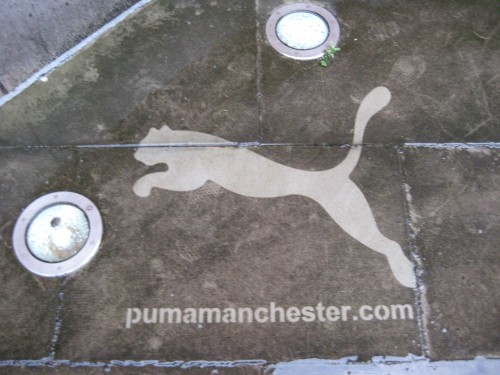
5. Is Reverse Graffiti Legal?


Reverse Graffiti is a guerrilla marketing service carried out without advanced permission from local authorities. Thousands of adverts have been placed across the UK since 2006 for brands, and complaints have been very few. If a complaint were to be made then the offending advert will be requested to be removed and this service can be carried out for a fee. Even though Reverse Graffiti campaigns have been carried out for the Highway Authority, Councils, and Police Forces, if you are in doubt it’s advisable to speak with your local authority to see if they would permit you to carry out the campaign.
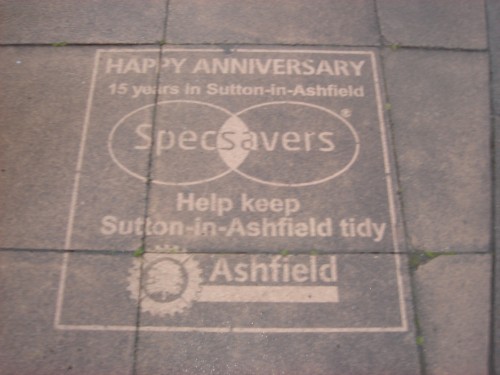
 

6. The Reverse Graffiti Process


As with all advertising campaigns, you will need to know who your target audience is and where they hang out. Are you a University or College looking to recruit local students? An obvious location would be Secondary Schools. Retail Store? Other retailers would be the target. Drinks Brand? Bars and Restaurants. Once you have established likely dwell locations for your audience you then need to decide which cities in the U.K you want to place adverts in.

There are several restrictions to be aware of when placing Reverse Graffiti Ads: Surface suitability ( It must be a dirty, paved area. Block paving or tarmac doesn’t work well. But consider mixing Reverse Graffiti Ads with Rain Ads for maximum coverage), Vehicle Access is the other consideration, Private Property (Ads can only be placed on public property). Having created a list of cities, it’s a good idea to speak to your supplier to confirm costs and the total budget required.

Once you decide to proceed, you will typically be required to pay a deposit of 50% and then supply artwork. Once the supplier has received the artwork, they will then convert the art into a stencil format and be ready to proceed.

The locations for placement are either listed by yourself or suggested by the supplier as good high-footfall choices. Once the adverts are cleaned onto the pavements you will then be emailed a list of locations and a photo of each advert placed to conclude the campaign.


7. How to maximize the return on investment of a reverse graffiti campaign


As with all marketing campaigns, the effectiveness of your ads depends on multiple factors and Clean Advertising is no different from traditional advertising when it comes to ensuring maximum return through the application of several considerations.

Targeted Audience- The more you know about your customer the more effective your campaign will be. In this case, think hard about where your prospective customer will dwell. Clean Ads work best in dwell locations so think, bus stops, train stations, fast food outlets, retail stores, leisure venues, etc.


Right Message- Your message needs to be clear and concise with a strong call to action- Yes it would be nice to have a pretty design with complex, eye-catching artwork but strong, bold text with a simple design and request for positive action is far more effective.


The Rule of Seven- Remember the old marketing adage of the rule of 7? It says that a prospect needs to see your message seven times before they will buy from you. In this scenario, if a prospect sees your Clean Adverts in seven different locations they will likely take action. 25 ads per city is the minimum recommended number but if it’s a big city or your ads are spread far apart then consider placing as many as your budget will allow for.


8. How to measure the effectiveness of a Reverse Graffiti Campaign


To measure the effectiveness of an ad campaign requires a tool to measure the response rate. The easiest way to measure the campaign is to write a strong call to action in your creative. One of the most successful clean ad campaigns we created was for Domino’s Pizza. Instead of “New Store opening” style adverts, we suggested a free giveaway for mentioning the advert. After placing 25 adverts within 2 miles of the new store, the store gave away 457 free garlic breads in two days when people started walking in and mentioning the advert. If your campaign is more national or online then direct people to a simple URL landing page created specifically for the campaign so don’t send them to “pizzahut.com/london” send them to “FREEGARLICBREAD”.com. Not only can you track and measure the campaign but you can also add people to your marketing list by getting people to give you their email address in return for the voucher or discount code.

Simple TEXT also works well, a Text number can be set up online cheaply so a call to action like “Text GARLIC to 7777 for free offer”, is another great way to capture that data. Alternatively ask your prospects to use Facebook, Instagram, or Twitter to respond. Just a simple hashtag request to enter a competition can be easily tracked online.


9. Reverse Graffiti Stencils - the artwork

The preferred format for Reverse Graffiti artwork is JPEG. Stencils and adverts are typically 75cm square in size so send your supplier a black and white JPEG with black representing the cutout area and white the stencil material. An example of a recent stencil can be seen here:
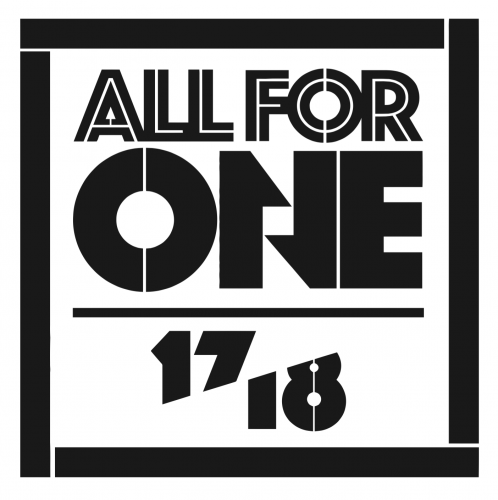


10. The best locations for Reverse Graffiti and How long do reverse graffiti adverts last for?


The best place to put reverse graffiti adverts is where people spend the most time. Obvious locations such as Bus Stops, Train Stations, Taxi Ranks, Shops, Bars, Restaurants, Fast Food Outlets, Cinemas, etc are all obvious locations. Commuter walk routes are also good locations so to and from public transport stations.
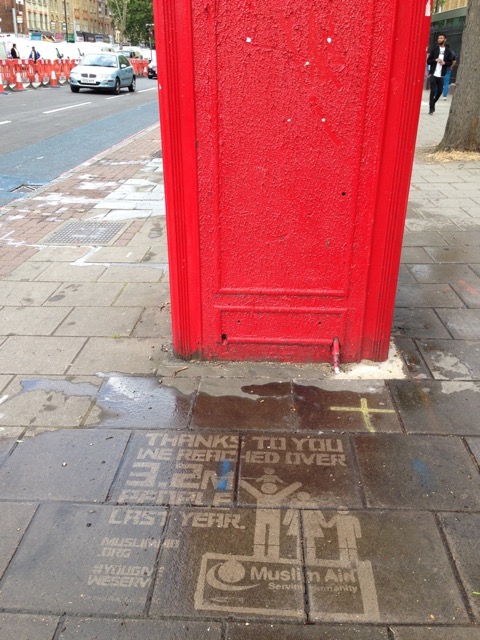
Adverts must be placed on dirty paved surfaces, block paving, and tarmac are not effective due to the not-so-easily-seen clean and dirty contrast. Reverse Graffiti Ads will typically last 7-10 days before wearing away with added dirt from footfall. Ad Duration will also be dependent on where the ads are placed on the pavement. Yes, the ads will be easier to spot if they are in the center of the pavement but the more people walk on the ads the quicker they will dissolve.

Preferred placement is slightly offset and closer to the road where fewer people walk and the pavements are dirtier due to vehicle traffic and less council cleaning. Here ads tend to last longer. In front of poster sites and bus stops is another great area and next to pedestrian crossings too.


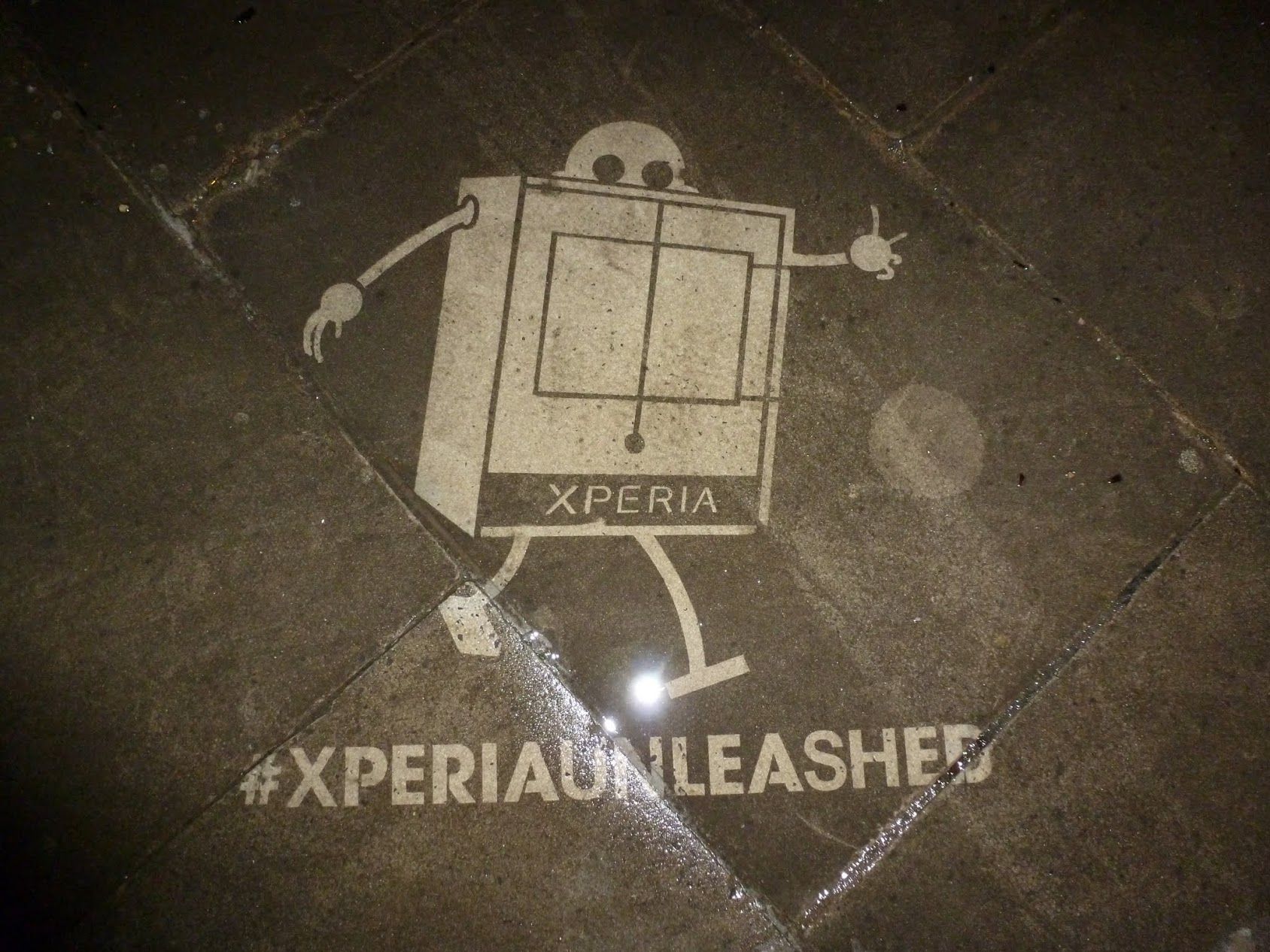
11. Reverse Graffiti Examples:
12. Reverse Graffiti Case Studies

Kia Cars

Insight

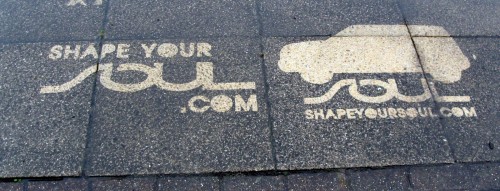
In 2007, Kia Cars was a relatively unknown brand in the U.K and to publicise the launch of their new model the Kia Soul they wanted to generate attention from their target audience- 18-25 years old cool people. They used a combination of Graffiti Billboards and Murals and Clean Advertising to drive people to their dedicated landing page.

Execution

Across 10 cities throughout the U.K. from Glasgow to Brighton, Street Advertising Services placed 700 Reverse Graffiti Clean Adverts. The ads were placed outside young person venues, bars, and restaurants.

Results

Over 120,000 people visited the Kial Soul Website highlighted specifically by the campaign and the car went on to be Kia’s best-selling car in the U.K with over 6,000 cars sold in their first month.
ING Bank

Insight

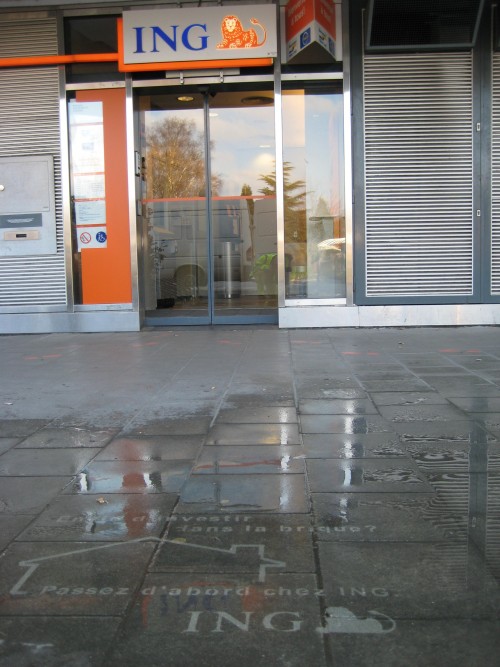
ING Bank wanted to raise awareness of their mortgage products within Belgium. They were looking for a creative PR Idea to attract both consumer and traditional media attention.

Execution

Street Advertising Services were asked to place a dozen Clean Adverts outside the ING branch in every town and city in Belgium. The adverts immediately attracted attention including the Mayor of Antwerp, the press quickly picked up on the story and ING Bank representatives were interviewed on peak news channels and in national media.

Results

The ING Bank Reverse Graffiti campaign delivered an ROI in excess of 800% and the client sold an extra 5,312 mortgages in one week
13. How much does a Reverse Graffiti Campaign Cost?

Reverse Graffiti Adverts Cost £1,600 plus VAT for 25 adverts per city.

The cost per advert reduces depending on volume and cities.


14. How to start your Reverse Graffiti Campaign

To start your Reverse Graffiti Campaign, contact us today to discuss your requirements.

Boost Your Brand with Reverse Graffiti Advertising: The Eco-Friendly Marketing Innovation

Boost Your Brand with Reverse Graffiti Advertising: The Eco-Friendly Marketing Innovation

Boost Your Brand with Reverse Graffiti Advertising: The Eco-Friendly Marketing Innovation

How can your brand capitalize on reverse graffiti advertising—an art form that speaks to today’s eco-aware audience? This compact guide outlines the creation process, navigates through the legal landscape, and details the environmental benefits, positioning this medium as a potent tool in modern marketing arsenals.

Key Takeaways

  • Reverse graffiti is an innovative, eco-friendly advertising method where art is created by cleaning dirt from urban surfaces, making it a subtle yet impactful marketing tool.


  • Success with reverse graffiti advertising requires strategic planning, from choosing high-traffic locations and clearly conveying the message, to understanding local legalities and securing advance permissions.


  • The cost-effective nature of reverse graffiti, combined with its potential for high visibility and lasting impact, offers a compelling return on investment compared to other forms of traditional and outdoor advertising.


Unveiling Reverse Graffiti: A Canvas from Cleanliness
Reverse graffiti, a unique form of street art, has been captivating audiences by standing out from traditional outdoor advertisements. This innovative approach involves creating art by removing dirt and grime from surfaces, giving birth to a cleaner, environmentally-friendly way of connecting with consumers. As you walk down the street, instead of a glaring billboard, you may stumble upon an impressive artwork etched into the dirt on a pavement or a wall. This is reverse graffiti, quietly yet powerfully conveying its message, often crafted by talented reverse graffiti artists.

Leveraging the eco-friendly angle of this guerrilla marketing tactic has enabled brands to effectively promote their products and services while remaining environmentally conscious. This art form allows artists to utilize negative space to create positive, hopeful messages, leaving viewers with a lasting impression. In the world of advertising where loud and flashy often rules, reverse graffiti offers a breath of fresh air, or rather, a breath of clean advertising through clean tagging.
The inception of reverse graffiti traces back to 2004 when Paul ‘Moose’ Curtis pioneered this art form in Manchester. Inspired by the scribbles in the grime on tunnel walls in Leeds, Curtis transformed dirty surfaces into artistic creations using simple tools like detergent and a wire brush. This local curiosity soon evolved into a form of expression that gained public recognition.

The Birth of Reverse Graffiti

A few years later, Alexandre Orion took reverse graffiti to new heights by creating a large-scale project, ‘Ossario’, in 2006. Orion’s project sprawled over 1000 feet, further advancing this unique form of street art and showcasing its potential for large-scale urban impact.

As we’ve seen, reverse graffiti has grown from a local curiosity to a recognized art form that challenges traditional advertising norms.
Reverse graffiti, also known as clean graffiti, is crafted using a collection of simple but efficient tools. Artists typically use power washers, rags, and even toothbrushes to carefully remove dirt from designated areas of dirty surfaces and craft their artwork. Stencils are an integral part of this process. Made from materials such as plastic, steel, aluminum, or wood, these stencils can be placed on dirty surfaces with cleaning agents applied through the cut-outs to leave a designed impression.

The Mechanics Behind the Art

In a commercial context, metal or plastic stencils are often paired with machines like power washers to efficiently clean selected areas through the stencil, creating clean and clear advertising messages. The versatility of reverse graffiti is further highlighted by its ability to adhere to a variety of urban surfaces such as pavements, concrete walls, and park pathways. This flexibility allows brands to creatively engage with their audiences across diverse cityscapes.
Developing a successful reverse graffiti campaign demands careful planning and tactical thought. The first step involves identifying the most desirable locations, areas, and cities to ensure the advertisement gets the best possible exposure. The choice of location plays a significant role in the effectiveness of the campaign. Some key considerations for choosing locations include:
Placing reverse graffiti ads in these strategic locations can significantly increase their visibility and impact.

Crafting a Reverse Graffiti Advertising Campaign

  • High foot traffic areas such as bus stops, train stations, and near clusters of shops and restaurants


  • Areas with a high concentration of target audience


  • Locations with clean surfaces that will allow the graffiti to stand out


However, it’s not just about location. The design of the reverse graffiti message also plays a crucial role. To be quickly understood by those passing by, the messages need to be orderly, clear, and kept to a compact format.

Ultimately, a successful reverse graffiti advertising campaign is built on clear conceptualization, strategic planning, and ensuring the message is effectively communicated to the target audience through a clean advertising campaign.
In any marketing campaign, including reverse graffiti, understanding your audience is a necessity. The target audience for reverse graffiti campaigns can be segmented based on factors such as age, interests, or shopping behavior. Once you have a clear understanding of your audience, you can start pinpointing their geographic areas. Consider where your target audience is most likely to dwell, such as:
Identifying the frequented locations of your target audience is vital for the successful execution of a reverse graffiti advertising campaign. With this knowledge, you can strategically place your ads in these locations, ensuring they reach the right people at the right time. By understanding your audience and their habits, you can create a campaign that speaks directly to them, increasing the chances of engagement and conversion.
To ensure reverse graffiti ads reach a broad audience and achieve the desired impact, strategic placement is imperative. Areas with high foot traffic such as:
are ideal for placement. For higher visibility, ads can be situated slightly offset and closer to the road, particularly in front of poster sites or next to pedestrian crossings.

Identifying the Target Audience

  • bus stops


  • train stations


  • fast food outlets


  • retail stores


  • leisure venues


Choosing the Right Location

  • bus stops


  • train stations


  • taxi ranks


  • near dense clusters of shops, bars, and restaurants


However, it’s not just about visibility. To ensure the ads last longer and are seen by as many people as possible, it’s advisable to avoid surfaces like block paving and tarmac that experience more direct contact with pedestrians. Instead, target dirtier paved areas that offer the necessary contrast for the message to be seen. Strategic placement not only enhances visibility but can also help circumvent legal issues and improve the ad’s durability.
Despite its numerous benefits, understanding the legalities surrounding reverse graffiti is crucial. The legality of reverse graffiti varies depending on the jurisdiction, with certain places enacting specific regulations and requirements. For instance, commercial advertisements in public spaces in the Netherlands require a permit. Some cities, like Leeds, have even labeled reverse graffiti as illegal advertising, leading to fines for advertising firms that engage in the practice.

Legalities of Reverse Graffiti in Public Spaces

It’s worth noting, though, that reverse graffiti, commonly considered a form of guerrilla marketing, usually doesn’t require a license. Unlike regular graffiti, its goal is to clean rather than vandalize. Regardless of these nuances, it’s recommended to consult local authorities for permission prior to initiating a campaign to mitigate risks of legal consequences. Being aware of the local reverse graffiti legal climate is crucial to avoid any potential pitfalls and ensure a successful campaign.
It’s recommended to secure advance permission before initiating your reverse graffiti creation to comply with local regulations. If you plan to perform reverse graffiti on public property, you must seek permission directly from local authorities. Similarly, if you wish to use private property for your campaign, you’ll need to secure permission from the owner.

Securing Advanced Permission

Securing advanced permission not only helps you avoid potential legal issues but also shows respect for the community and the environment. Remember, the aim of reverse graffiti is not just to promote a brand or a product, but also to contribute positively to the urban landscape. Ensuring you have the necessary permissions before you begin can go a long way in supporting this goal.
The eco-friendly nature of reverse graffiti is one of its significant advantages. Unlike traditional advertisements that often involve harmful chemicals and consume a lot of water, reverse graffiti uses significantly less water and doesn’t involve any harmful substances. Moreover, the art of reverse graffiti carries an underlying message about confronting urban pollution and reflecting on carbon emissions. This dual function of advertising and raising environmental awareness makes reverse graffiti a truly green marketing tactic.

The Environmental Edge of Green Graffiti

Beyond the immediate environmental benefits, reverse graffiti also promotes sustainability. The temporary and non-damaging nature of the technique means that surfaces will naturally return to their previous state over time. Moreover, some organizations take their environmental responsibility even further. For instance, GreenGraffiti matches each liter of water used in their process with a liter of clean drinking water donated to those in need. So, when you choose reverse graffiti, you’re not just choosing a unique advertising method - you’re also choosing to make a positive impact on the environment.
Consistent with its environmental ethos, the materials used in crafting reverse graffiti are deliberately selected to reduce ecological damage. Artists often employ biodegradable materials, aligning with eco-friendly practices. Moreover, environmentally friendly cleaning agents, such as biodegradable soaps, are used to create the art, further minimizing ecological harm.

The Eco Materials Used

Choosing eco-friendly materials not only reduces the campaign’s environmental footprint but also aligns with the brand’s sustainability commitments. Customers today are more environmentally conscious than ever before and appreciate brands that share their values. So, by choosing reverse graffiti, you are not just getting a unique advertising medium but also reinforcing your commitment to sustainability in the eyes of your customers.
Reverse graffiti is more than a concept - it’s a validated advertising medium that has yielded impressive outcomes for brands. One of the key advantages of reverse graffiti is its compatibility with social media. It’s a visual, discreet, yet powerful medium that can resonate with online audiences and lead to increased engagement. Take the example of the 2015 Jimmy’s Iced Coffee reverse graffiti campaign. The result? A 50% growth in Facebook following and a staggering 400% increase in YouTube followers.

Success Stories: Reverse Graffiti in Action

These success stories highlight the potential of reverse graffiti to connect with audiences in a unique and meaningful way. It’s not just about creating an advertisement; it’s about creating an experience. And when this experience is shared on social media, it can lead to increased brand awareness and engagement.

So, whether you’re a small business looking to make a mark or a large corporation seeking to connect with your audience in a new way, reverse graffiti could be the answer.
Several well-known brands have successfully used reverse graffiti to promote their products and services. The ING Bank reverse graffiti campaign, for instance, gained media attention and interviews on peak news channels, significantly increasing brand awareness. The campaign involved placing reverse graffiti outside every branch in Belgian towns and cities to raise awareness for their mortgage products.

Case Study Highlights

The list of brands engaging with reverse graffiti doesn’t stop there. Brands such as:
have all used this unique form of advertising to promote their offerings.

  • Nike


  • Puma


  • JD Sports


  • British Gas


  • Domino’s Pizza


  • Biba


  • BMW


  • Pizza Hut


  • Reebok


  • The Hard Rock Cafe


  • Absolut Vodka


These case studies demonstrate how reverse graffiti can be used to achieve various objectives, including:
For effective communication with potential customers, reverse graffiti stencils should be designed with succinct, clear messaging and a strong call to action. The design process for reverse graffiti stencils involves creating artwork where black signifies the area to be removed, which then gets converted into a black and white JPEG format for the supplier. Instead of complex designs, opting for strong, bold text and a straightforward design can greatly enhance the effectiveness of reverse graffiti stencils.

  • Launching new products


  • Increasing brand awareness


  • Driving sales


  • Directing traffic to locations or events


Enhancing Visibility: Techniques for Standout Stencils

Creating standout stencils is not just about creating an eye-catching design. It’s about creating a design that effectively communicates your brand’s message and prompts the viewer to take action. This is where the real power of reverse graffiti lies. It’s not just art; it’s a communication tool that can help brands connect with their audience in a unique and engaging way.
A successful reverse graffiti campaign heavily relies on creativity. It’s not just about creating a unique design; it’s also about selecting highly-visible locations where the difference between the cleaned and dirty surface is stark, providing the necessary contrast for the message to be seen. The type of surface chosen can significantly influence the clarity and impact of the reverse graffiti.

The Role of Creativity

Effective reverse graffiti is not just about cleaning a surface; it’s about transforming a dirty surface into a canvas for communication. It’s about using creativity to turn an ordinary pavement or wall into a platform for engaging with your audience. The role of creativity in reverse graffiti cannot be overstated. It’s what sets this form of advertising apart and makes it a powerful tool for brands.
After the launch of your reverse graffiti campaign, the subsequent step is to gauge its success. This involves monitoring web traffic, analyzing social media engagement, and conducting customer satisfaction surveys. Building a strong community on social media platforms by sharing the making-of content and the stories behind the art can enhance audience engagement, which is a key success metric. Tracking an increase in social media engagement, such as new followers or hashtag usage resulting from the campaign, can demonstrate its reach and impact.

Measuring Campaign Success: Metrics for Reverse Graffiti

Conversions can also be measured through targeted actions such as:
Remember, the goal of any marketing campaign is not just to create awareness but to drive action. Measuring these actions is crucial in determining the success of your reverse graffiti campaign.
Establishing precise goals and benchmarks is essential for assessing the efficacy of a reverse graffiti campaign. These may include a targeted increase in social media followers, web traffic, or a set number of conversions like product sales or service sign-ups. By defining these goals beforehand, you can compare the achieved results against these predetermined objectives to evaluate the campaign’s effectiveness.

  • a mention of the advertisement for a special offer, as evidenced by a successful Domino’s Pizza campaign


  • directing potential customers to a unique URL landing page crafted for the campaign, which is an effective way to measure its success and build a marketing list


  • texting a code to a number for an offer, which is a simple and impactful call to action that facilitates data capture and conversion tracking


Setting Benchmarks

Before launching a reverse graffiti campaign, it’s advisable to:
Planning a budget for a reverse graffiti campaign mandates a comprehensive understanding of the associated costs. This includes:
While these costs may seem substantial, it’s important to consider the potential return on investment. Deploying 25 reverse graffiti stencils throughout a city can cost around the same as renting a single billboard for one month. Moreover, guerrilla marketing campaigns like reverse graffiti require a low initial investment and have the potential for huge returns, making them a valuable marketing approach. As with any marketing campaign, it’s crucial to balance the costs with the potential benefits to ensure a positive return on investment.
A cost comparison of reverse graffiti with other advertising methods reveals its cost-effectiveness. Compared to other forms of out-of-home (OOH) advertising, reverse graffiti is significantly less expensive. This cost-effectiveness is further highlighted when considering the potential reach and impact of reverse graffiti. With its ability to engage audiences in a unique and memorable way, reverse graffiti offers a high return on investment that few other advertising mediums can match.

  1. Record the brand’s initial metrics, such as social media followers or website visits.


  2. This allows you to accurately measure the growth or engagement and assess the impact of the campaign through a comparison of pre- and post-campaign performance.


  3. By setting clear benchmarks, you can ensure that your reverse graffiti campaign is not just a creative endeavor, but a strategic one that delivers measurable results.


Cost Analysis: Budgeting for Your Reverse Graffiti Campaign

  • The cost of creating a stencil, which is determined by the vendor and can cost around $64 for one stencil. Customization requires a high-resolution file for the specific stencil design.


  • Additional costs cover the services of a creative team, including idea development, artwork design, and the actual crafting of the reverse graffiti.


  • Delivery costs should also be factored in, with free delivery often provided on orders over a certain amount.


Comparing Costs with Other Forms of Advertising

Moreover, the longevity of reverse graffiti on various substrates can make it visible for an extended period, allowing the campaign to continue interacting with the audience for weeks to years. This longevity, combined with the relatively low costs, makes reverse graffiti a highly cost-effective advertising medium. So, if you’re looking for a marketing approach that offers high impact at a lower cost, reverse graffiti could be the perfect solution.
Prepared to start your own reverse graffiti journey? The first step is to contact street advertising services to discuss your requirements. These services can provide you with the necessary expertise and resources to execute a successful reverse graffiti campaign across various cities and multiple locations. However, it’s important to choose the right service. The effectiveness of your campaign may depend on the quality of the marketing agency you choose to work with.

Starting Your Own Reverse Graffiti Journey

Once you’ve chosen a service, you’ll need to provide the artwork for your campaign. This artwork will be converted into a stencil by the service. A deposit is typically required, along with the provided artwork. From there, the service will take care of the rest, crafting your reverse graffiti and bringing your campaign to life. With the right planning and execution, your reverse graffiti campaign can help your brand make a big impression.
Collaborating with seasoned street artists or advertising services can significantly augment the effectiveness of your campaign. These experts have the necessary skills to transform your provided artwork into effective stencils, a crucial step in the reverse graffiti process. They can also offer valuable recommendations on ad placement, ensuring your ads are positioned in strategic locations for the best results.

Partnering with Street Artists

By leveraging their expertise and creativity, you can ensure your reverse graffiti campaign not only reaches a wide audience but also leaves a lasting impression.
From its eco-friendly nature to its unique approach to advertising, reverse graffiti presents a powerful opportunity for brands to connect with their audience in a meaningful way. Whether you’re a small business looking to make a mark or a large corporation seeking to connect with your audience in a new way, reverse graffiti offers a cost-effective, impactful, and environmentally friendly solution. So why not take the leap and start your own reverse graffiti journey? It could be the fresh perspective your brand needs to shine.
Reverse graffiti, also known as clean graffiti, is generally considered legal in the UK as it involves cleaning a dirty public surface rather than defacing it with paint or other materials. Therefore, it is not typically classified as illegal graffiti.
Yes, graffiti can be used for advertising as it has made its way into mainstream branding and can be used for out-of-home advertising campaigns, turning city walls into canvases for contemporary art inspired by a brand’s campaign. This form of marketing, known as guerrilla marketing, is often used by companies with limited funds for advertising.
Big brands such as IKEA, Domino’s, and Puma have all used reverse graffiti as a marketing technique.
An example of reverse graffiti is using a wet finger to write “Clean Me” on the back of a dirty van, creating art through the contrast of clean and dirty sections. It can also be achieved by removing dirt from windows or other dirty surfaces to form words or images, such as “wash me” on a dirty vehicle.
Reverse graffiti is a form of street art that involves removing dirt from surfaces to create an artistic design or message. It is an eco-friendly and distinctive alternative to traditional outdoor advertising.

Summary

Frequently Asked Questions

Is reverse graffiti legal UK?

Can graffiti be used for advertising?

What brands are reverse graffiti?

What is an example of reverse graffiti?

 What is reverse graffiti?